The Rise of Agentic Workflows in Saudi Arabia
As Saudi Arabia accelerates its journey toward Vision 2030, I've watched the demand for automation shift dramatically — from simple chatbots to genuinely autonomous systems. Implementing autonomous AI agents for Saudi enterprise is now one of the most strategic conversations I'm having with teams in the Kingdom. Unlike traditional AI, agentic workflows involve multi-agent systems that can reason, use tools, and collaborate to achieve specific business outcomes without constant human oversight. For engineering teams here, this is the leap from predictive analytics to proactive, self-healing operations.
Architecting Multi-Agent Systems for Scale
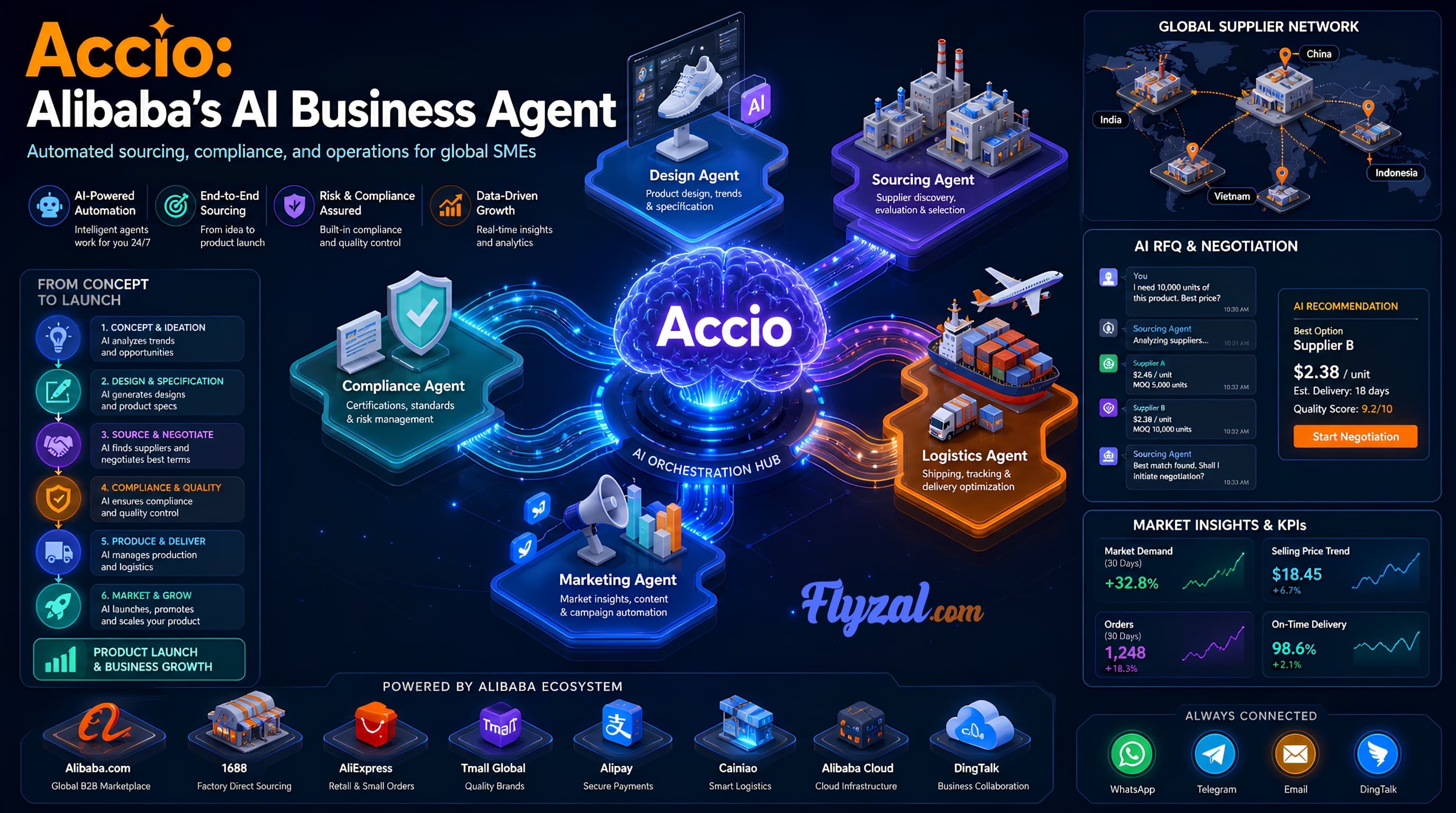
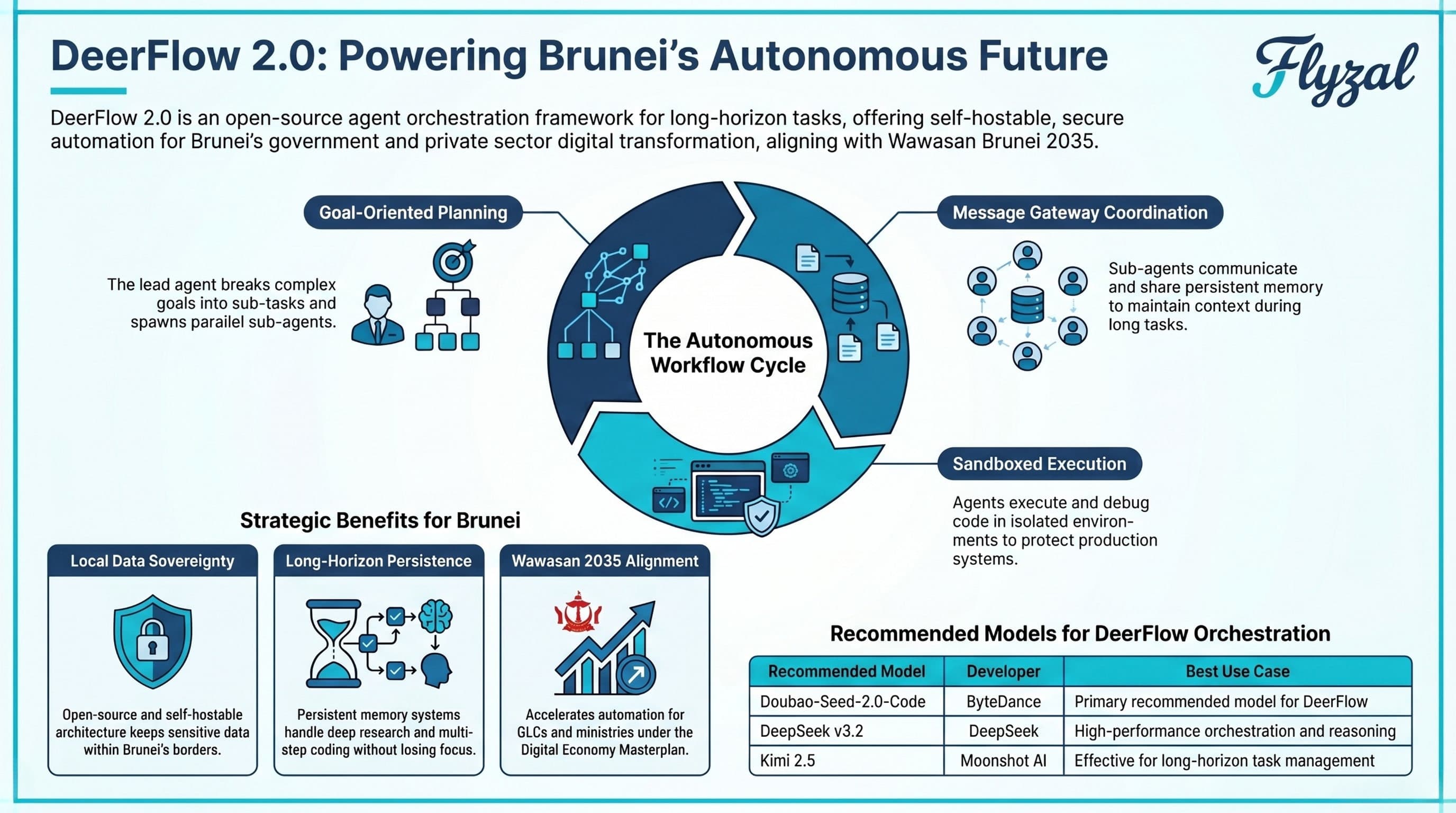
When I design these systems, I focus on LLM orchestration and prompt engineering at scale. In the GCC context, that means building infrastructure that handles high-concurrency agentic interactions reliably. My approach is to use specialized agents — a Procurement Agent talking to a Logistics Agent, for example — so you can automate entire lifecycles within supply chains or smart city management. The goal is a seamless flow where agents handle data retrieval, decision-making, and execution inside a secured enterprise perimeter, with humans reviewing outcomes rather than every step.
Data Sovereignty and Arabic Localization
One of the first things I stress when working on autonomous AI agents for Saudi enterprise is compliance with SDAIA regulations. Your agents need to be hosted within local data centers — data sovereignty isn't optional here. Localization goes deeper than translation too; I've found that agents fine-tuned on regional dialects and cultural context perform dramatically better with local stakeholders. Whether you're using Allam or fine-tuning a global LLM with high-quality Arabic datasets, getting this layer right is what separates a proof-of-concept from a production system.
Key Use Cases I See Working in Giga-Projects
- Autonomous Project Management: Agents that monitor construction timelines, predict delays in NEOM or Red Sea Global projects, and automatically adjust procurement schedules.
- Intelligent Fintech Operations: Multi-agent systems handling real-time fraud detection and automated compliance reporting for the Saudi fintech sector.
- Smart City Infrastructure: Agents managing energy distribution and traffic flow in real-time by processing edge computing data.
- Automated Citizen Services: AI agents providing 24/7 support for government portals, handling complex multi-step administrative tasks in Arabic.
Frequently Asked Questions
How do autonomous agents differ from standard RPA?
RPA follows fixed, rule-based paths. Autonomous agents use Large Language Models to reason and make decisions. They handle unstructured data and adapt to new scenarios without needing manual reprogramming every time the workflow changes — that flexibility is the key difference.
Is data safe when using LLM-based agents?
It can be, but you have to architect for it deliberately. I implement Zero Trust architectures and keep all agentic workflows within private cloud environments or VPCs. That way enterprises maintain full control over proprietary data while still benefiting from AI intelligence.
What is the first step to getting started?
Start narrow. Pick one high-impact use case — internal knowledge management or automated reporting works well — and build a pilot multi-agent system to demonstrate ROI before scaling to cross-departmental workflows. I've seen teams get into trouble by trying to boil the ocean on day one.
If this is the kind of problem you're working on, I'd love to hear about it. I also build free and paid tools at flyzal.com/tools that put some of these ideas into practice — a few need no account at all. Go explore.