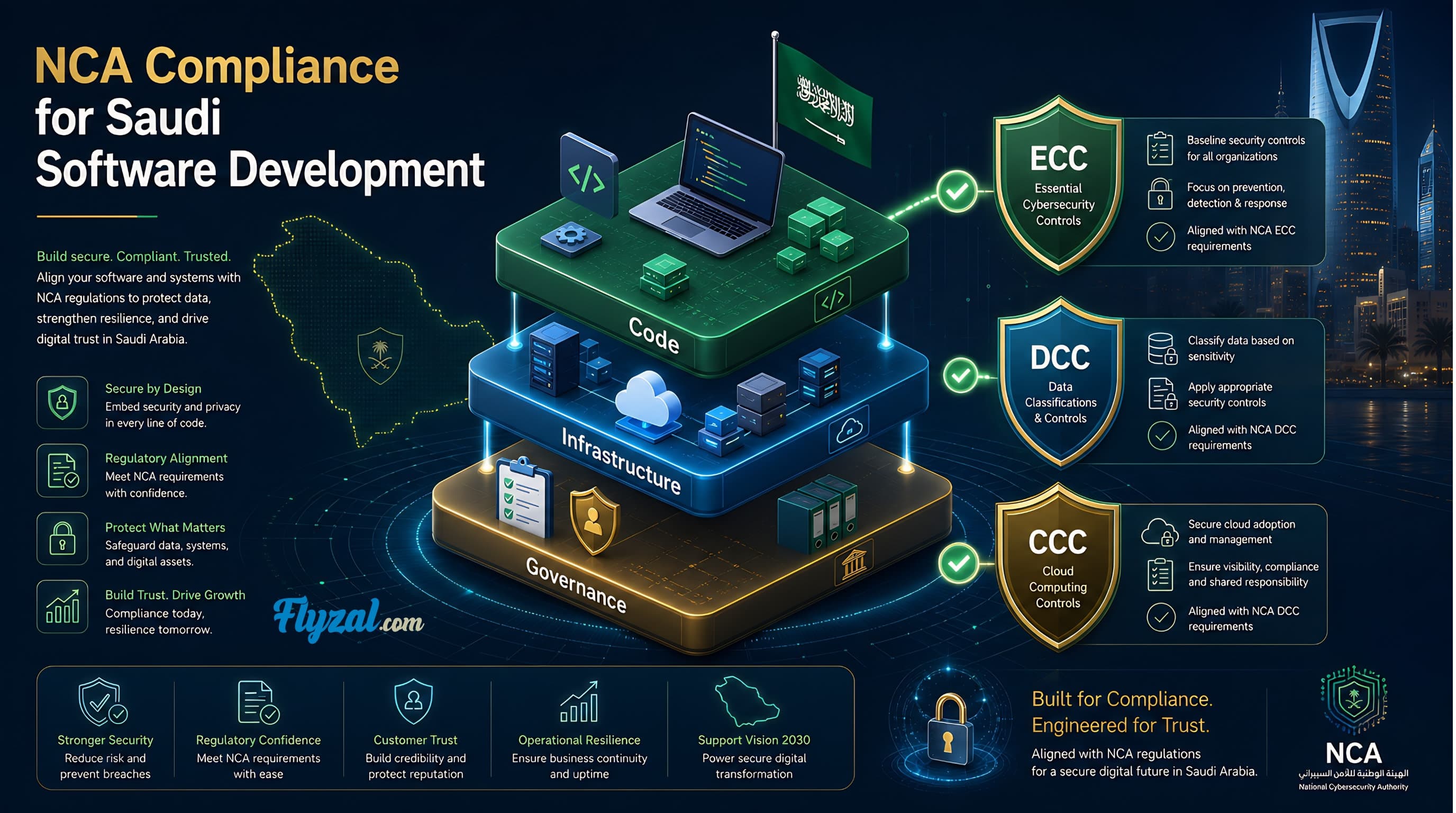
As Saudi Arabia accelerates toward Vision 2030, the scale of our digital infrastructure is unprecedented. From NEOM's cognitive cities to the expansion of fintech in Riyadh, the traditional castle-and-moat security model is no longer sufficient. I have seen many organizations struggle with legacy systems that trust anyone inside the network. That is why implementing zero trust architecture for saudi enterprise data is no longer an option—it is a necessity for survival in a landscape governed by strict National Cybersecurity Authority (NCA) and National Data Management Office (NDMO) regulations.
Why Implementing Zero Trust Architecture for Saudi Enterprise Data Matters
In my experience building cloud-native solutions, the biggest risk to Saudi mega-projects isn't just external hackers; it's the lateral movement of threats within a trusted network. Zero Trust operates on a simple principle: never trust, always verify. For a Saudi enterprise, this means every request to access data, whether it comes from a contractor in a satellite office or an executive in the Riyadh headquarters, must be authenticated, authorized, and continuously validated. This shift is critical for maintaining data sovereignty and protecting high-value national assets from sophisticated cyber threats.
Practical Steps for a Zero Trust Transition
Moving to a Zero Trust model doesn't happen overnight. I recommend a phased approach that aligns with local data residency requirements. You need to ensure that your identity providers and security logs stay within the Kingdom to remain compliant with the Cloud Computing Regulatory Framework. Here is how I approach the transition:
- Identify Protectable Surfaces: Focus on your most critical data assets first, such as PII (Personally Identifiable Information) of Saudi citizens or proprietary project blueprints.
- Map Transaction Flows: Understand how data moves between your microservices, cloud providers, and third-party vendors.
- Enforce Least Privilege: Use robust Identity and Access Management (IAM) to ensure users only have access to what they absolutely need for their specific role.
- Implement Micro-segmentation: Break your network into small, isolated zones to prevent attackers from moving sideways if one point is compromised.
- Continuous Monitoring: Use AI-driven analytics to spot anomalies in real-time across your entire infrastructure, ensuring immediate threat detection.
FAQ
Does Zero Trust conflict with Saudi data residency laws?
No, it actually supports them. By implementing Zero Trust, you gain better control over where your data is accessed and stored, making it easier to comply with NDMO mandates that require sensitive data to stay within Saudi borders.
How does this impact the user experience for employees?
If done correctly, it improves it. I use modern tools like Single Sign-On (SSO) and Multi-Factor Authentication (MFA) that provide a seamless login experience while maintaining high security layers behind the scenes.
Is Zero Trust only for large government entities?
Absolutely not. While mega-projects are the primary focus, any Saudi SME or startup handling sensitive financial or personal data should adopt these principles to build trust with their customers and local partners.
I spend my days obsessing over how to make these complex architectures simple for builders and founders like you. I build free and paid tools at flyzal.com that put these ideas into practice—some need no account at all. Go explore and see how I can help you secure your next big project in the Kingdom.